Woodworking Plans


Minggu, 31 Agustus 2025

49+ Outdoor Wooden Cooler Stand


Get outside more: 63 reasons to love the outdoors thedyrt.com

Opening: Building Your Own Outdoor Wooden Cooler Stand Tired of bending over to grab a refreshing drink from your cooler at your next barbecue? Building your own outdoor wooden cooler stand is a fantastic DIY project that's both functional and aesthetically pleasing. This guide will walk you through the process, step-by-step, ensuring you have a sturdy and stylish stand ready for your next outdoor gathering.
Step 1: Planning and Gathering Materials Before you start cutting wood, it's crucial to plan the dimensions of your cooler stand. Measure your cooler carefully, adding a little extra space for ease of access. Consider the desired height of the stand – typically, counter height is a comfortable option. Once you have your dimensions, create a simple sketch and a material list. Here's a suggested list of materials you'll need:
  • Pressure-treated lumber (2x4s for the frame, 1x6s or similar for the surface)
  • Exterior wood screws
  • Wood glue (exterior grade)
  • Sandpaper (various grits)
  • Wood stain or sealant (exterior grade)
  • Safety glasses
  • Ear protection
  • Measuring tape
  • Pencil
  • Saw (circular saw or hand saw)
  • Drill with drill bits
  • Clamps
  • Step 2: Building the Frame The frame provides the structural support for the cooler stand. Cut the 2x4s according to your planned dimensions. You'll need four pieces for the legs and pieces to create a rectangular frame at the top to support the cooler. Assemble the frame by applying wood glue to the joints and then securing them with exterior wood screws. Use clamps to hold the pieces together while the glue dries. Ensure the frame is square and level before proceeding.
    Step 3: Adding the Surface Now, it's time to create the surface that will hold your cooler. Cut the 1x6 (or similar) boards to the desired length, ensuring they cover the entire top of the frame. Arrange the boards side-by-side on the frame, leaving small gaps between them for drainage. Attach the boards to the frame using wood glue and exterior wood screws. Countersink the screws to create a smooth surface.
    Step 4: Sanding and Finishing Once the surface is attached, it's time to sand everything down. Start with a coarser grit sandpaper to smooth out any rough edges and imperfections. Gradually work your way up to finer grits for a polished finish. After sanding, wipe down the entire stand with a damp cloth to remove any dust. Apply your chosen wood stain or sealant according to the manufacturer's instructions. This will protect the wood from the elements and enhance its appearance. Allow the stain or sealant to dry completely before using the stand.
    Step 5: Final Touches and Enjoy! Inspect your cooler stand for any remaining rough edges or loose screws. Make any necessary adjustments. Now, carefully place your cooler on the stand, load it up with ice and your favorite beverages, and enjoy! You've successfully built your own outdoor wooden cooler stand, ready to elevate your next outdoor gathering. Consider adding bottle openers or towel hooks to further enhance the functionality of your stand.

    Luxury Outdoor Living Spaces: Design Ideas & Trends

    Luxury outdoor living spaces: design ideas & trends theluxurypergola.com

    1000+ Great Outdoor Photos · Pexels · Free Stock Photos

    1000+ great outdoor photos · pexels · free stock photos www.pexels.com

    Get Outside More: 63 Reasons To Love The Outdoors

    Get outside more: 63 reasons to love the outdoors thedyrt.com

    Sabtu, 30 Agustus 2025

    66+ Hanging Plant Shelf With Hooks


    Hanging plant shelf www.pinterest.com

    Opening: Bring the Outdoors In With a DIY Hanging Plant Shelf! Ready to elevate your indoor greenery game? This step-by-step guide will show you how to create a stylish and functional hanging plant shelf with hooks, perfect for displaying your favorite plants and adding a touch of bohemian charm to any room. You can customize the size and wood type to perfectly fit your space and aesthetic. Let's get started!
    Materials You'll Need:
    • Wood planks (amount and size depending on desired shelf dimensions)
    • Sandpaper (various grits)
    • Wood stain or paint (optional)
    • Wood sealant (optional)
    • Drill with drill bits
    • Rope or macrame cord (length depends on desired hanging height)
    • Metal hooks (quantity depends on how many you want)
    • Measuring tape
    • Pencil
    • Safety glasses
    Step 1: Prepare the Wood
  • Cut the Wood: Cut the wood planks to your desired length and width. If you don't have the tools to cut wood yourself, most home improvement stores will do it for you.
  • Sand the Wood: Thoroughly sand all surfaces of the wood planks with progressively finer grits of sandpaper, starting with a coarser grit (e.g., 80-grit) and finishing with a finer grit (e.g., 220-grit). This will create a smooth surface for staining or painting.
  • Stain or Paint (Optional): Apply your chosen wood stain or paint to the planks, following the manufacturer's instructions. Allow the stain or paint to dry completely.
  • Seal the Wood (Optional): Apply a wood sealant to protect the wood from moisture and wear. Allow the sealant to dry completely.
  • Step 2: Drill the Rope Holes
  • Measure and Mark: Measure and mark the locations for the rope holes on each plank. Ensure the holes are evenly spaced and positioned so the shelf will hang level. A common placement is about 1-2 inches from each corner.
  • Drill the Holes: Using a drill bit slightly larger than the diameter of your rope, drill holes at the marked locations. Be sure to drill straight through the wood.
  • Step 3: Attach the Hooks
  • Measure and Mark: Decide where you want to place the hooks on the bottom of the shelf. Measure and mark these locations.
  • Pre-Drill Pilot Holes: Drill small pilot holes at each marked location to make screwing in the hooks easier and prevent the wood from splitting.
  • Screw in Hooks: Screw the metal hooks into the pilot holes. Make sure they are securely attached.
  • Step 4: Assemble the Hanging Plant Shelf
  • Thread the Rope: Thread the rope through the holes in each plank, starting with the bottom shelf and working your way up. Leave enough rope above the top shelf to create a loop for hanging.
  • Adjust the Shelves: Adjust the spacing between the shelves to your desired height. Make sure the shelves are level.
  • Secure the Rope: Tie knots under each shelf to secure them in place. You can also use crimps or other methods to prevent the shelves from slipping. Ensure these knots are tight and will hold the weight.
  • Step 5: Hang and Enjoy!
  • Create a Hanging Loop: Tie a secure knot at the top of the ropes to create a loop for hanging. Ensure the loop is strong enough to support the weight of the shelves and plants.
  • Hang the Shelf: Hang your new plant shelf from a sturdy hook or ceiling mount.
  • Add Plants and Decor: Arrange your favorite plants and decorative items on the shelves. Enjoy your beautiful new hanging plant shelf!
  • Conclusion: Your DIY Hanging Plant Shelf is Complete! Congratulations on building your own hanging plant shelf! This project is a fantastic way to add a personal touch to your home decor and showcase your love for plants. Remember to regularly check the rope and knots to ensure they are secure, especially when holding heavier plants. With a little creativity and effort, you can create a unique and functional piece that you'll enjoy for years to come.

    Hanging Plant Shelf

    Hanging plant shelf www.pinterest.com

    Hanging Plant Shelf

    Hanging plant shelf www.pinterest.com

    Hanging Plant Shelf

    Hanging plant shelf www.etsy.com

    Jumat, 29 Agustus 2025

    168+ Woodworking Gazebo


    Gazebo lantzwoodworking.com

    Opening: A DIY Gazebo Project Building a gazebo is a rewarding project that can transform your backyard into a relaxing and inviting space. This step-by-step guide will walk you through the process of constructing a simple yet elegant wooden gazebo, allowing you to enjoy the outdoors in comfort and style. This project requires some woodworking experience, but with careful planning and patience, you can create a beautiful gazebo yourself.
    Step 1: Planning and Design Before you even touch a piece of wood, careful planning is essential. Here's what you need to consider:
  • Size: Determine the desired size of your gazebo based on your available space and intended use. A common size is 10x10 feet, but you can adjust this to suit your needs.
  • Shape: Decide on the shape. A square or octagon is generally easier to construct than a circular gazebo. This guide assumes a square design.
  • Materials: Choose your lumber. Pressure-treated lumber is recommended for durability and resistance to the elements. Consider cedar or redwood for a more aesthetically pleasing and naturally rot-resistant option, though it will be more expensive.
  • Foundation: Plan for your foundation. Options include concrete piers, a concrete slab, or even a gravel base with concrete pavers. Concrete piers are the most common and offer a good balance of stability and cost.
  • Roofing: Decide on your roofing material. Asphalt shingles, wood shakes, or metal roofing are all viable options. Choose a material that complements your home's style and offers adequate weather protection.
  • Permits: Check local building codes and obtain any necessary permits before starting construction.
  • Step 2: Gathering Materials and Tools Once you have your plans finalized, gather all the necessary materials and tools. Here's a general list:
  • Lumber: Pressure-treated lumber for the frame, posts, rafters, and decking (if applicable). The exact amount will depend on your gazebo's size and design.
  • Roofing Materials: Asphalt shingles, wood shakes, or metal roofing, along with necessary underlayment, flashing, and fasteners.
  • Concrete: For the piers (if using).
  • Fasteners: Screws, nails, bolts, and lag bolts appropriate for exterior use.
  • Tools:
    • Measuring tape
    • Level
    • Square
    • Circular saw
    • Miter saw
    • Drill
    • Impact driver
    • Post hole digger (if using concrete piers)
    • Concrete mixer (if mixing your own concrete)
    • Hammer
    • Safety glasses
    • Work gloves
    • Ladder
  • Step 3: Preparing the Foundation
  • Concrete Piers: Dig holes for the concrete piers according to your plan. The depth of the holes should be below the frost line in your area. Pour concrete into the holes and insert post anchors (metal brackets designed to hold the posts). Ensure the post anchors are level and properly aligned.
  • Concrete Slab: If using a concrete slab, pour a level concrete slab according to your dimensions, ensuring proper drainage. Embed post anchors into the wet concrete.
  • Gravel Base: Create a level gravel base and lay down concrete pavers for the posts to rest on. This is the least stable option, so ensure the pavers are well-compacted and the ground is level.
  • Allow the concrete to cure completely before proceeding to the next step.
    Step 4: Building the Frame
  • Posts: Attach the posts to the post anchors using appropriate fasteners. Ensure the posts are plumb (perfectly vertical) using a level. Brace the posts temporarily to keep them in place.
  • Beams: Attach beams between the posts to create the top frame of the gazebo. Use strong joinery techniques, such as mortise and tenon or lap joints, or use metal brackets for added strength. Ensure the beams are level and securely fastened to the posts.
  • Headers: Add headers (shorter beams) between the posts at a lower level to provide additional support and create a more defined structure. These can also serve as the base for railings.
  • Step 5: Constructing the Roof This is the most challenging part of the project, requiring precise cuts and careful assembly.
  • Rafters: Cut and install the rafters, which will form the framework of the roof. The angle of the rafters will determine the pitch of the roof. Use a miter saw to make accurate cuts.
  • Sheathing: Cover the rafters with sheathing (plywood or OSB) to create a solid surface for the roofing material. Secure the sheathing to the rafters with nails or screws.
  • Roofing: Install the roofing material according to the manufacturer's instructions. Start with underlayment to protect the sheathing from moisture. Overlap the roofing material properly to ensure a watertight seal. Use flashing around any penetrations, such as chimneys or vents.
  • Step 6: Adding Finishing Touches
  • Decking (Optional): If you want a deck inside the gazebo, install decking boards on top of a frame built between the posts.
  • Railings (Optional): Add railings between the posts for safety and aesthetics.
  • Trim: Install trim around the roof and posts to conceal any rough edges and add a finished look.
  • Painting or Staining: Paint or stain the gazebo to protect the wood and enhance its appearance.
  • Conclusion: Enjoy Your Gazebo! Congratulations! You have successfully built your own wooden gazebo. Now you can relax and enjoy your new outdoor space. Add furniture, lighting, and landscaping to create a comfortable and inviting atmosphere. Remember to regularly maintain your gazebo to ensure its longevity and beauty. With proper care, your gazebo will provide years of enjoyment for you, your family, and your friends.

    Gazebo

    Gazebo lantzwoodworking.com

    Garden Gazebo

    Garden gazebo lantzwoodworking.com

    Gazebo

    Gazebo www.reddit.com

    Kamis, 28 Agustus 2025

    194+ Hanging Key Rack


    Female hanging upside down by messingaround51 on deviantart www.deviantart.com

    Introduction: Crafting Your Own Hanging Key Rack Tired of misplacing your keys? A DIY hanging key rack is the perfect solution! This project is relatively simple, customizable to your style, and incredibly functional. This guide will walk you through the process step-by-step, from gathering materials to proudly displaying your creation.
    Materials You'll Need:
  • Wood: Choose a piece of wood that suits your desired size and aesthetic. Reclaimed wood, pine, or even a painted MDF board can work well. Aim for a length of around 12-18 inches and a width of 4-6 inches. The thickness is up to you, but at least 3/4 inch is recommended for stability.
  • Hooks: Purchase key hooks that complement your chosen wood. You can find a variety of styles, from rustic to modern, at hardware stores or online. Consider the number of keys you typically need to hang when selecting the quantity.
  • Hanging Hardware: You'll need D-rings or sawtooth hangers for mounting your key rack on the wall. Screws appropriate for your chosen hanging hardware and the thickness of your wood are also essential.
  • Sandpaper: Various grits (e.g., 120, 220) for smoothing the wood surface.
  • Wood Stain or Paint (Optional): If you want to customize the color of the wood.
  • Wood Finish (Optional): To protect the wood and enhance its appearance.
  • Drill: With appropriate drill bits for pilot holes and attaching hooks and hanging hardware.
  • Screwdriver: To tighten screws.
  • Measuring Tape or Ruler: For accurate measurements.
  • Pencil: For marking measurements.
  • Clamps (Optional): To hold the wood securely while drilling.
  • Step-by-Step Instructions:
  • Step 1: Prepare the Wood Start by sanding the wood surface to create a smooth base. Begin with a coarser grit sandpaper (e.g., 120) to remove any imperfections, then move to a finer grit (e.g., 220) for a polished finish. Wipe away any sawdust with a clean cloth.
  • Step 2: Stain or Paint the Wood (Optional) If you want to change the color of the wood, apply stain or paint according to the manufacturer's instructions. Allow it to dry completely before proceeding. You may need to apply multiple coats for the desired color depth.
  • Step 3: Apply Wood Finish (Optional) If you stained or painted the wood, or even if you like the natural look, consider applying a wood finish to protect the surface and enhance its beauty. Polyurethane, varnish, or oil-based finishes are good options. Allow the finish to dry completely.
  • Step 4: Mark Hook Placement Use a measuring tape or ruler and pencil to mark the locations for your key hooks. Ensure even spacing between the hooks and a balanced appearance. Consider the size of your keys and fobs when determining the spacing.
  • Step 5: Drill Pilot Holes Use a drill with a drill bit slightly smaller than the screws that came with your hooks. Drill pilot holes at the marked locations. This will prevent the wood from splitting when you attach the hooks.
  • Step 6: Attach the Hooks Carefully screw the hooks into the pilot holes. Ensure they are securely attached and facing the correct direction.
  • Step 7: Attach Hanging Hardware On the back of the key rack, measure and mark the placement for your D-rings or sawtooth hangers. Ensure they are evenly spaced and aligned. Drill pilot holes if necessary and attach the hanging hardware with screws.
  • Conclusion: Hanging and Enjoying Your Key Rack Congratulations! You've successfully created your own hanging key rack. Now, find the perfect spot on your wall near your entryway, hang your creation securely, and enjoy the convenience of having your keys organized and readily available. Feel free to personalize it further with stencils, decorative elements, or personalized engravings. Enjoy your handiwork!

    Female Hanging Upside Down By Messingaround51 On Deviantart

    Female hanging upside down by messingaround51 on deviantart www.deviantart.com

    Girl Hanging From Rope By Hand

    Girl hanging from rope by hand mungfali.com

    Hanging Execution Drawing

    Hanging execution drawing ar.inspiredpencil.com

    Rabu, 27 Agustus 2025

    113+ Kids Step Stool


    Amazon.com: popin lover kitchen step stool for kids and toddlers with safety rail, kids step www.amazon.com

    Opening: Reaching New Heights with a DIY Kids Step Stool! Tired of your little one struggling to reach the sink or help in the kitchen? A DIY step stool is the perfect solution! It's a fun project, saves you money, and allows you to customize the stool to perfectly fit your child's needs and your home's decor. This guide will walk you through creating a sturdy and safe step stool that your child will use for years to come.
    Step 1: Gathering Your Materials Before you start building, you need to assemble your supplies. This ensures a smooth and efficient construction process. Here's a list of what you'll need:
    • Wood: Pine is a great choice as it's affordable and easy to work with. You'll need pieces for the top, legs, and potentially bracing. Consider 1x4s for legs and bracing and a slightly wider piece for the top (e.g., 1x6 or 1x8). The amount of wood will depend on the desired height and width of your stool. A good starting point is 12" wide for the top, 8" for the height of the legs, and appropriate lengths for bracing.
    • Screws: Wood screws of appropriate length for the thickness of your wood are essential for secure assembly. 1 1/4" screws are generally a good choice.
    • Wood Glue: This adds extra strength to the joints.
    • Sandpaper: Various grits (e.g., 80, 120, 220) to smooth the wood and remove splinters.
    • Paint or Stain: To finish and protect the wood. Choose child-safe, non-toxic options.
    • Polyurethane or other Clear Coat (Optional): To provide extra protection and durability to the finish.
    • Non-Slip Pads: To prevent the stool from sliding.
    Step 2: Measuring and Cutting the Wood Accurate measurements are key to a stable and functional step stool.
    1. Top: Measure and cut the wood for the top of the stool to your desired dimensions (e.g., 12" wide x 10" deep).
    2. Legs: Cut four legs to the same length, determining the stool's height (e.g., 8"). Make sure the cuts are square for stability.
    3. Braces (Optional but Recommended): Cut the bracing pieces to fit between the legs. These will add significant strength and stability to the stool. The length will depend on the placement and angle of the braces. Measure the distance between the legs at the chosen bracing location. Cut two pieces for short sides and two pieces for the long sides (if you are building a square frame brace).
    Step 3: Assembling the Step Stool Now it's time to put all the pieces together!
    1. Attach the Legs to the Top: Apply wood glue to the top edge of each leg. Position the legs on the underside of the stool top, ensuring they are evenly spaced and flush with the edges. Screw the legs securely into the top. Pre-drilling pilot holes will help prevent the wood from splitting.
    2. Add Braces: Apply wood glue to the ends of the bracing pieces. Position the braces between the legs, creating a rectangular frame. Screw the braces into the legs. Again, pre-drilling is recommended. Ensure the braces are square and level. Consider using a carpenter's square to ensure accuracy.
    Step 4: Sanding and Finishing This step is crucial for safety and aesthetics.
    1. Sanding: Start with a coarser grit sandpaper (e.g., 80) to remove any rough edges or imperfections. Gradually move to finer grits (e.g., 120, 220) to create a smooth surface. Pay close attention to edges and corners to make them rounded and safe.
    2. Painting or Staining: Apply paint or stain to the stool according to the manufacturer's instructions. Use multiple thin coats for a more even finish. Allow each coat to dry completely before applying the next.
    3. Clear Coat (Optional): If desired, apply a clear coat (polyurethane or similar) to protect the paint or stain and make the stool more durable.
    Step 5: Adding Safety Features Never skip this step! Child safety is paramount.
    1. Non-Slip Pads: Attach non-slip pads to the bottom of each leg to prevent the stool from sliding on hard floors.
    2. Check for Sharp Edges: Double-check the entire stool for any sharp edges or splinters. Sand them down as needed.
    Conclusion: Enjoy Your Handcrafted Step Stool! Congratulations! You've successfully built a safe and functional step stool for your child. Your little one can now reach new heights with confidence and independence. Remember to always supervise your child when they are using the step stool. Enjoy the fruits of your labor and the newfound reach of your little helper!

    Trogen Child's Step Stool, Yellow, 153/4x15x13"

    Trogen child's step stool, yellow, 153/4x15x13" www.ikea.com

    Kidzwerks Child Standing Tower Kids Kitchen Step Stool Toddler Wood Stepping Stool Children S

    Kidzwerks child standing tower kids kitchen step stool toddler wood stepping stool children s www.artofit.org

    Amazon.com: Popin Lover Kitchen Step Stool For Kids And Toddlers With Safety Rail, Kids Step

    Amazon.com: popin lover kitchen step stool for kids and toddlers with safety rail, kids step www.amazon.com

    Selasa, 26 Agustus 2025

    172+ Woodworking Plans For Kitchen Table


    Kitchen table freewoodworkingplan.com

    ```html
    Introduction: Crafting Your Own Kitchen Table Building your own kitchen table is a rewarding project that allows you to customize size, style, and materials to perfectly fit your needs and aesthetic. This guide provides a step-by-step process to create a sturdy and beautiful kitchen table.
    Step 1: Planning and Design Before you start cutting wood, careful planning is crucial. Consider the following:
  • Size: Determine the dimensions of your table based on your space and seating needs.
  • Shape: Choose between a rectangular, square, round, or oval tabletop.
  • Style: Select a design that complements your kitchen decor, such as farmhouse, modern, or rustic.
  • Materials: Choose your lumber type (pine, oak, maple, etc.) and consider the thickness needed for strength and stability. Also, account for screws, glue, and finishing supplies.
  • Blueprint/Sketch: Create a detailed sketch or blueprint outlining dimensions, angles, and construction methods. This will serve as your guide throughout the build.
  • Step 2: Gathering Materials and Tools Assemble the necessary materials and tools:
  • Lumber for the tabletop and legs (pre-select and inspect for straightness)
  • Screws (appropriate length and type for wood)
  • Wood glue
  • Sandpaper (various grits)
  • Wood stain or paint
  • Polyurethane or varnish (for topcoat)
  • Safety glasses
  • Ear protection
  • Measuring tape
  • Pencil
  • Square
  • Circular saw or table saw
  • Drill with drill bits
  • Sander
  • Clamps
  • Router (optional, for decorative edges)
  • Step 3: Building the Tabletop The tabletop is the most visible part, so accuracy is important:
  • Cutting the Boards: Cut the lumber for the tabletop to the desired lengths, according to your plan.
  • Joining the Boards: Apply wood glue to the edges of the boards and clamp them together tightly. Ensure the boards are flush. You may need to use biscuits or dowels for added strength, depending on your design. Let the glue dry completely (usually 24 hours).
  • Sanding: Once the glue is dry, sand the tabletop surface smooth, starting with a coarser grit (80-120) and progressing to finer grits (180-220). This will remove any imperfections and prepare the surface for finishing.
  • Step 4: Constructing the Table Legs The legs provide support, so they must be strong and stable:
  • Cutting the Legs: Cut the lumber for the legs to the desired length, ensuring they are all the same.
  • Attaching the Apron (Optional): An apron is a frame that connects the legs and supports the tabletop. Cut the apron pieces to fit snugly between the legs. Attach the apron to the legs using screws and wood glue. Clamps can help keep things aligned while the glue dries.
  • Attaching Legs to the Tabletop: There are several ways to attach the legs to the tabletop. One method is to use pocket holes drilled into the apron and screws to attach the apron to the underside of the tabletop. Another method is to use metal table leg mounting plates. Ensure the legs are positioned evenly and securely.
  • Step 5: Finishing the Table The finishing process protects the wood and enhances its beauty:
  • Sanding: Do a final sanding of the entire table (top, legs, and apron) with fine-grit sandpaper (220-320) to create a smooth surface.
  • Staining or Painting: Apply your chosen stain or paint according to the manufacturer's instructions. Allow it to dry completely between coats. Apply multiple coats for desired color and coverage.
  • Sealing: Apply several coats of polyurethane or varnish to protect the finish from scratches, spills, and wear. Sand lightly between coats with very fine-grit sandpaper (400 grit or higher) for a smooth finish. Allow each coat to dry completely.
  • Conclusion: Enjoy Your Handcrafted Table Congratulations! You've successfully built your own kitchen table. This process may take time and patience, but the end result is a unique and functional piece of furniture that you can enjoy for years to come. Take pride in your creation and enjoy the satisfaction of knowing you built it yourself.
    ```

    Kitchen Table

    Kitchen table freewoodworkingplan.com

    Kitchen Table

    Kitchen table freewoodworkingplan.com

    Kitchen Table Plans • Woodarchivist

    Kitchen table plans • woodarchivist woodarchivist.com

    Senin, 25 Agustus 2025

    86+ Woodworking Projects Plans Free


    Woodworking wallpapers wallpaperaccess.com

    DIY Birdhouse: A Step-by-Step Guide Want to attract feathered friends to your yard? Building a birdhouse is a fun and rewarding project, perfect for beginners and experienced woodworkers alike. This guide will walk you through the process, from gathering materials to hanging your finished masterpiece.
    Materials You'll Need Before you start, gather the following materials:
  • Wood (pine, cedar, or redwood are good choices – untreated!)
  • Saw (hand saw, circular saw, or miter saw)
  • Drill with various drill bits
  • Screws or nails
  • Sandpaper (various grits)
  • Measuring tape or ruler
  • Pencil
  • Wood glue (optional, but recommended)
  • Clamps (optional, but helpful)
  • Safety glasses
  • Step 1: Cutting the Wood Using your chosen birdhouse plan (you can find many free plans online or adapt this guide), carefully measure and cut the wood pieces according to the dimensions. Typical pieces include:
  • Front
  • Back
  • Two sides
  • Bottom
  • Roof (two pieces)
  • Consider the size of birds you want to attract when determining the entrance hole size. Smaller holes deter larger, more aggressive birds.
    Step 2: Drilling the Entrance Hole and Ventilation/Drainage Holes Drill the entrance hole in the center of the front piece. The diameter depends on the birds you want to attract. Use a smaller drill bit to create ventilation holes near the top of the side pieces and drainage holes in the bottom piece. This will help keep the birdhouse dry and prevent moisture buildup.
    Step 3: Assembling the Birdhouse Begin by attaching the sides to the bottom. Use wood glue along the edges for added strength, then secure with screws or nails. Next, attach the front and back pieces. Make sure all joints are flush and secure. Clamps can be used to hold the pieces together while the glue dries (if using).
    Step 4: Attaching the Roof Attach the two roof pieces to the top of the birdhouse, overlapping them slightly if desired. Ensure the roof overhangs the sides to protect the entrance from rain. Secure with glue and screws or nails.
    Step 5: Sanding and Finishing Sand all the edges and surfaces of the birdhouse to smooth them out. This will prevent splinters and create a more aesthetically pleasing finish. While painting or staining is optional, avoid using bright colors or toxic finishes inside the birdhouse, as these can deter birds or be harmful to them. If you choose to paint, use a water-based, non-toxic paint on the *exterior* only.
    Step 6: Hanging Your Birdhouse Decide where you want to hang your birdhouse. Ideally, choose a location that is sheltered from direct sunlight and strong winds. Many birdhouse plans include a pre-drilled hole for hanging. You can also attach a bracket or eye hook to the top or back. Use a sturdy screw or hook to hang the birdhouse securely. Consider the height preference of the birds you're trying to attract when selecting the height.
    Conclusion Congratulations! You've successfully built your own birdhouse. Now, sit back and wait for your new tenants to move in. Remember to clean out the birdhouse each year after the nesting season to prepare it for the next generation. Enjoy watching the birds that your creation attracts!

    Woodworking Wallpapers

    Woodworking wallpapers wallpaperaccess.com

    24 Must-have Woodworking Tools For Your Workshop

    24 must-have woodworking tools for your workshop www.grainger.com

    The 9 Best Woodworking Tools Of 2022

    The 9 best woodworking tools of 2022 www.thespruce.com

    Minggu, 24 Agustus 2025

    56+ Woodworking Plans For Hall Tree


    Hall tree www.pinterest.com

    Introduction: Building Your Own Hall Tree A hall tree is a fantastic addition to any entryway. It combines storage, seating, and often a mirror, making it a practical and stylish piece of furniture. Building your own allows you to customize it to fit your specific needs and decor. This guide will walk you through the steps of creating a basic hall tree. Remember to adjust dimensions and design elements to suit your available space and personal preferences. Safety is paramount; always wear appropriate safety gear and be familiar with the operation of your tools.
    Materials and Tools Before you begin, gather the necessary materials and tools. The type and amount of wood you'll need will depend on the size of your hall tree. Softwoods like pine are easier to work with for beginners, while hardwoods like oak or maple provide greater durability.
  • Lumber (pine, oak, or your preferred wood) for the frame, seat, back, and shelves. Determine the dimensions based on your desired hall tree size.
  • Plywood or MDF for the back panel (optional).
  • Hooks for hanging coats and bags.
  • Screws, nails, and wood glue.
  • Sandpaper (various grits).
  • Wood stain or paint and sealant.
  • Mirror (optional, and its mounting hardware).
  • Construction adhesive (if adding a mirror). Tools:
  • Measuring tape
  • Pencil
  • Saw (circular saw, miter saw, or hand saw)
  • Drill and drill bits
  • Screwdriver
  • Sander
  • Clamps
  • Level
  • Safety glasses
  • Hearing protection
  • Step 1: Planning and Design Create a detailed plan. Sketch out your hall tree with accurate measurements for all components, including the overall height, width, and depth. Decide on the number of hooks, shelf placement, and seat height. A well-thought-out plan will minimize errors and ensure a smoother building process. Consider the style you want to achieve – farmhouse, modern, rustic – and incorporate those elements into your design.
    Step 2: Cutting the Wood Carefully cut all the lumber according to your plan. Double-check your measurements before each cut to avoid mistakes. Use the appropriate saw for each cut, ensuring clean and accurate results. Label each piece as you cut it to avoid confusion later. It's helpful to create a cutting diagram to efficiently utilize your lumber and minimize waste.
    Step 3: Building the Frame Assemble the frame using screws, nails, and wood glue. Start by joining the vertical supports (legs) to the horizontal supports (top and bottom). Use clamps to hold the pieces together while the glue dries and the screws or nails are secured. Ensure the frame is square by checking the diagonals – they should be equal. A square frame is crucial for a stable and aesthetically pleasing hall tree.
    Step 4: Adding the Seat Attach the seat to the frame. You can create a solid seat from a single piece of wood or construct it from multiple pieces joined together. Secure the seat to the frame using screws and glue. Ensure the seat is level and properly supported. If you're adding storage under the seat, consider incorporating hinges and a lid.
    Step 5: Adding the Back Panel (Optional) If desired, attach a plywood or MDF back panel to the frame. This will add stability and provide a surface for mounting hooks and a mirror. Secure the back panel with nails, screws, or construction adhesive. Ensure the back panel is flush with the frame.
    Step 6: Installing Hooks and Shelves Install the hooks according to your plan. Space them evenly and ensure they are securely attached. Add shelves as desired for additional storage. Secure the shelves to the frame using screws and glue. Consider using adjustable shelf supports if you want the flexibility to change the shelf height later.
    Step 7: Adding the Mirror (Optional) If you're including a mirror, attach it securely to the back panel or frame using appropriate mounting hardware and construction adhesive. Follow the manufacturer's instructions for mirror installation. Be extremely careful when handling the mirror to avoid breakage.
    Step 8: Sanding and Finishing Sand all surfaces of the hall tree to create a smooth finish. Start with a coarse grit sandpaper and gradually move to finer grits. Remove all sanding dust before applying a finish. Apply your chosen wood stain or paint to the hall tree. Follow the manufacturer's instructions for application and drying times. After the stain or paint has dried, apply a sealant to protect the finish. This will help to prevent scratches and water damage.
    Conclusion: Enjoying Your Handcrafted Hall Tree Congratulations! You've built your own hall tree. Place it in your entryway and enjoy the added storage and style it brings to your home. Your hall tree is now ready to organize your coats, bags, and other essentials. Remember to maintain your hall tree by cleaning it regularly and touching up the finish as needed.

    Hall Tree

    Hall tree www.woodsmithplans.com

    Hall Tree Plans • Woodarchivist

    Hall tree plans • woodarchivist woodarchivist.com

    Hall Tree

    Hall tree www.pinterest.com

    Sabtu, 23 Agustus 2025

    131+ Ladder Bookcase


    All portable step ladders www.calicoladders.com

    Introduction: The Allure of the Leaning Ladder Bookcase Are you looking for a stylish and space-saving storage solution? A ladder bookcase offers a unique blend of functionality and aesthetic appeal. Its angled design adds a touch of modern sophistication to any room while providing ample shelving for books, plants, and decorative items. This guide will walk you through the process of building your own DIY ladder bookcase, allowing you to customize it to fit your specific needs and style.
    Materials and Tools: Gathering Your Resources Before you begin, gather the necessary materials and tools. Careful preparation is key to a successful build. Here's a list to get you started:
    • Lumber: Pine or other wood suitable for shelving (determine the amount based on your desired dimensions)
    • Screws: Wood screws of appropriate length for joining the boards
    • Wood Glue: For a stronger, more durable bond
    • Sandpaper: Various grits (e.g., 80, 120, 220) for smoothing surfaces
    • Wood Stain or Paint: To achieve your desired finish
    • Polyurethane or Varnish: For protecting the finish
    • Safety Glasses
    • Dust Mask
    • Measuring Tape
    • Pencil
    • Square
    • Circular Saw or Hand Saw
    • Drill with Drill Bits
    • Sander (Optional)
    • Clamps
    • Level
    Step 1: Planning and Cutting the Wood Designing Your Bookcase: Start by sketching out your desired bookcase dimensions. Consider the overall height, width of the shelves, and the spacing between them. This will help you determine the necessary lumber quantities. Cutting the Pieces: Based on your plan, carefully measure and cut all the wood pieces. You'll need:
    • Two side supports (the "ladder" sides)
    • Shelves of varying widths (each shelf should be slightly shorter than the one below)
    Ensure that the cuts are clean and accurate using a circular saw or hand saw. Take your time and double-check your measurements.
    Step 2: Assembling the Frame Preparing the Side Supports: Determine the angle at which you want your ladder to lean. This angle will influence the stability of the bookcase. A slight angle is usually sufficient. Attaching the Shelves: Start by positioning the shelves between the side supports. Use a square to ensure the shelves are perpendicular to the sides. Apply wood glue to the contact points and then secure the shelves with screws. Clamps can be used to hold the pieces together while the glue dries. Work from the bottom shelf upwards, ensuring consistent spacing.
    Step 3: Sanding and Finishing Sanding the Surfaces: Once the glue is dry, sand all surfaces of the bookcase. Start with a coarser grit sandpaper (e.g., 80 or 120) to remove any imperfections or rough edges. Then, move to finer grits (e.g., 220) for a smooth finish. Sanding is crucial for achieving a professional-looking result. Applying Stain or Paint: After sanding, wipe the bookcase clean to remove any dust. Apply your chosen wood stain or paint according to the manufacturer's instructions. Allow the stain or paint to dry completely. Multiple coats may be necessary for optimal coverage. Adding a Protective Finish: Once the stain or paint is dry, apply a coat of polyurethane or varnish to protect the finish and enhance durability. This will help prevent scratches and water damage. Allow the protective finish to dry completely.
    Step 4: Installation and Final Touches Positioning the Bookcase: Carefully position the ladder bookcase against a wall. Ensure that the base of the ladder is stable and that the top of the bookcase leans securely against the wall. Leveling and Securing (Optional): If necessary, use shims to level the base of the bookcase. For added security, you can attach the top of the bookcase to the wall using brackets or straps. This is especially important if you have young children or pets. Adding Your Personal Touch: Now, it's time to decorate your new ladder bookcase with your favorite books, plants, and decorative items. Arrange them in a way that reflects your personal style.
    Conclusion: Enjoy Your Handmade Ladder Bookcase Congratulations on building your own DIY ladder bookcase! This project is a rewarding way to add a unique and stylish storage solution to your home. By following these steps, you've created a functional and beautiful piece of furniture that you can enjoy for years to come. Remember to always prioritize safety and take your time throughout the building process. Happy crafting!

    Werner 8 Ft. Fiberglass Twin Step Ladder With 375 Lb. Load Capacity Type Iaa Duty Rating-t7408

    Werner 8 ft. fiberglass twin step ladder with 375 lb. load capacity type iaa duty rating-t7408 www.homedepot.com

    All Portable Step Ladders

    All portable step ladders www.calicoladders.com

    Buy Ladder, A Frame 4 Step Ladder Extension, 14 Ft Anti-slip Multi Position & Storage Folding

    Buy ladder, a frame 4 step ladder extension, 14 ft anti-slip multi position & storage folding www.desertcart.nz

    Jumat, 22 Agustus 2025

    152+ Workbench With Built-In Lighting


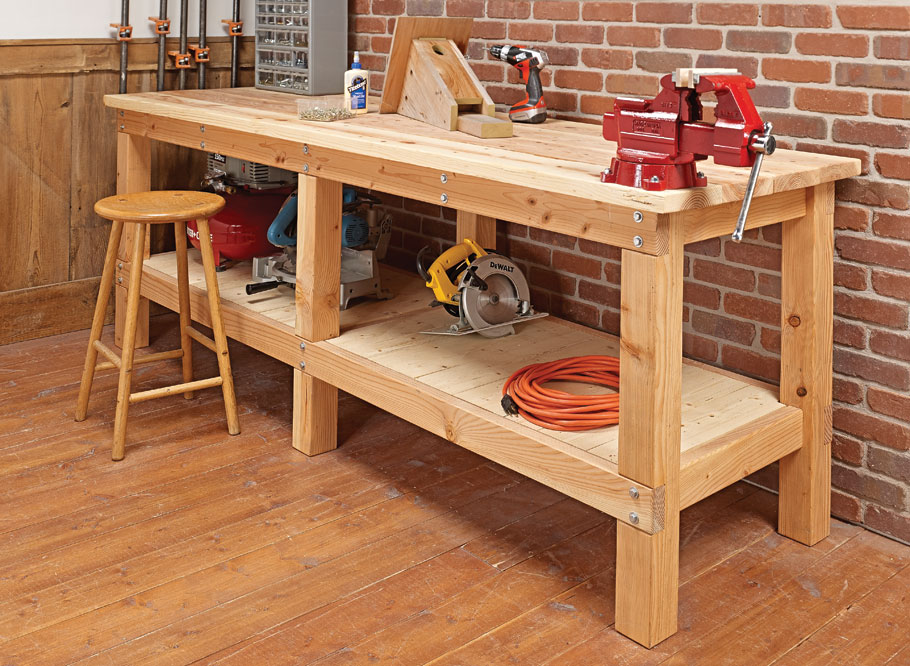
    Heavy-duty plank workbench www.woodsmithplans.com

    Introduction: Illuminating Your Workspace with a DIY Workbench Building a workbench is a rewarding project for any DIY enthusiast. Adding built-in lighting elevates its functionality, providing optimal visibility for detailed tasks. This guide will walk you through creating a robust and well-lit workbench, step-by-step.
    Materials & Tools: Gathering Your Arsenal Before you begin, gather all the necessary materials and tools. This ensures a smooth construction process and minimizes interruptions.
    • Wood: Lumber for the frame, tabletop, and shelf (e.g., 2x4s, plywood)
    • Fasteners: Screws (various sizes), wood glue
    • Lighting: LED strip lights or shop lights, power cord, switch, wire connectors
    • Tools: Saw (circular saw or hand saw), drill, screwdriver, measuring tape, level, safety glasses, pencil, clamps, wire stripper/cutter
    Step 1: Building the Frame The frame forms the foundation of your workbench. Accuracy and stability are crucial at this stage.
  • Cut the lumber for the legs, top frame supports, and bottom shelf supports according to your desired workbench dimensions.
  • Assemble the legs and top frame supports using screws and wood glue. Ensure the frame is square and level. Use clamps to hold the pieces together while the glue dries.
  • Attach the bottom shelf supports to the legs, creating a framework for the shelf. Again, use screws and wood glue for a strong bond.
  • Step 2: Constructing the Tabletop and Shelf These surfaces provide the work area and storage space for your workbench.
  • Cut the plywood for the tabletop and shelf to the appropriate sizes.
  • Attach the tabletop to the top frame using screws. Ensure it's flush and securely fastened.
  • Place the shelf on the bottom shelf supports and secure it with screws.
  • Step 3: Integrating the Lighting This is where your workbench comes to life with built-in illumination.
  • Decide where you want to mount your lights. Common locations include under the front edge of the tabletop or along the back of the frame.
  • If using LED strip lights, adhere them to the chosen location. If using shop lights, mount them securely using appropriate hardware.
  • Wire the lights to the power cord and switch. Use wire connectors to ensure safe and secure connections. **Important:** If you are not comfortable working with electricity, consult a qualified electrician.
  • Test the lights to ensure they are working correctly.
  • Step 4: Finishing Touches and Enhancements Adding finishing touches improves the workbench's durability and usability.
  • Sand all surfaces to smooth any rough edges and prepare the wood for finishing.
  • Apply a sealant or paint to protect the wood from moisture and wear.
  • Consider adding features like a vise, pegboard for tool storage, or additional shelving.
  • Conclusion: A Brighter, More Efficient Workspace Congratulations! You've successfully built a workbench with built-in lighting. This DIY project will enhance your workspace, providing a stable platform and ample illumination for all your projects. Enjoy your new and improved crafting experience!

    Mysql :: Mysql Workbench

    Mysql :: mysql workbench www.mysql.com

    Heavy-duty Plank Workbench

    Heavy-duty plank workbench www.woodsmithplans.com

    14 Super-simple Workbenches You Can Build — The Family Handyman

    14 super-simple workbenches you can build — the family handyman www.familyhandyman.com

    Rabu, 20 Agustus 2025

    144+ Hanging Plant Wall Shelf


    Public execution hanging www.animalia-life.club

    Opening: Bringing the Outdoors In with a DIY Hanging Plant Wall Shelf Ready to infuse your living space with a touch of nature? A hanging plant wall shelf is a fantastic way to showcase your favorite greenery and add a stylish, bohemian vibe to any room. This DIY project is relatively simple and customizable, allowing you to create a unique display that perfectly complements your personal style. Let's get started!
    Materials You'll Need
    • Wood boards (amount and length depend on your desired shelf size)
    • Rope (natural fiber rope like jute or cotton works well)
    • Sandpaper (various grits)
    • Wood stain or paint (optional)
    • Drill with drill bits
    • Measuring tape
    • Pencil
    • Scissors or knife
    • Sealer/Varnish (optional, if staining/painting)
    Step 1: Preparing the Wood Begin by cutting your wood boards to the desired length. Decide how many shelves you want and how far apart you want them spaced. Remember to account for the space the rope will occupy. Sand all surfaces and edges of the boards to create a smooth, splinter-free finish. Start with a coarse grit sandpaper (80-120) and gradually move to a finer grit (220+) for a polished look.
    Step 2: Staining or Painting (Optional) If you want to add color or enhance the wood grain, now's the time to stain or paint your boards. Apply the stain or paint according to the manufacturer's instructions. Allow each coat to dry completely before applying another coat, if necessary. Once dry, apply a sealant or varnish to protect the finish and provide durability.
    Step 3: Drilling the Rope Holes Measure and mark the spots where you'll drill the holes for the rope. These holes should be equidistant from the sides of each board and positioned far enough in to provide adequate support. Use a drill bit slightly larger than the diameter of your rope. Drill the holes through all the boards, ensuring they are aligned correctly. Use a drill press or clamp the boards together for increased accuracy.
    Step 4: Assembling the Shelf Cut the rope into two equal lengths. The length of the rope will determine the overall height of your shelf, so be generous. Thread one end of each rope through the holes on one side of each shelf, starting from the bottom board. Tie a knot under each board to hold it in place. Ensure the knots are secure and the shelves are evenly spaced. Repeat on the other side with the remaining rope and boards, mirroring the spacing.
    Step 5: Leveling and Adjusting Hang the shelf and check if the boards are level. Adjust the knots as needed to achieve a balanced and even display. Double-check that all knots are secure and that the weight is evenly distributed. Trim any excess rope below the bottom knot to create a clean finish.
    Step 6: Hanging and Displaying Your Plants Find a sturdy hook or mounting hardware to hang your plant shelf. Ensure the hook can support the weight of the shelf and the plants you intend to display. Carefully hang the shelf and arrange your plants, pots, and decorative items to create your desired look. Consider the light requirements of your plants when choosing their placement on the shelf.
    Conclusion: Enjoy Your Green Oasis Congratulations! You've created a beautiful and functional hanging plant wall shelf. This DIY project is a fantastic way to personalize your space, showcase your love for plants, and add a touch of natural beauty to your home. Enjoy your new green oasis!

    Hanging Large Paper Drawings At Piper Walton Blog

    Hanging large paper drawings at piper walton blog storage.googleapis.com

    5.6 Ft Halloween Hanging Animated Talking & Shaking Scary Clown With Chain, Touch Activated For

    5.6 ft halloween hanging animated talking & shaking scary clown with chain, touch activated for www.walmart.com

    Public Execution Hanging

    Public execution hanging www.animalia-life.club

    Selasa, 19 Agustus 2025

    137+ Woodworking Plans For Grandfather Clock


    A beginner's guide to carpentry restless.co.uk

    Opening: Building Your Own Grandfather Clock Dreaming of a timeless piece to anchor your home's interior? A grandfather clock adds elegance and history to any room. While buying one can be pricey, building your own grandfather clock is a rewarding project that allows you to customize the design and craftsmanship. This guide will walk you through the process, step-by-step. Remember, this is a complex project, so patience and careful attention to detail are key.
    Step 1: Planning and Design Before you pick up any tools, meticulous planning is essential.
  • Choose a Design: Research different grandfather clock styles (Queen Anne, Chippendale, Modern) and select one that appeals to you and suits your skill level. Consider purchasing woodworking plans specifically designed for the style you choose.
  • Acquire Plans: Invest in detailed, accurate woodworking plans. These plans should include dimensions, material lists, and step-by-step instructions. Avoid free plans unless you are very experienced, as they often lack crucial details.
  • Material Selection: Select the wood for your clock. Popular choices include cherry, walnut, maple, and oak. Consider the wood's grain pattern and color to achieve the desired aesthetic. Calculate the board footage required based on your plans and purchase slightly extra to account for mistakes.
  • Movement Selection: Decide on the clock movement. Quartz movements are easier to install and maintain, while mechanical movements offer a more traditional and authentic experience. Purchase the movement early to understand its specific mounting requirements.
  • Step 2: Preparing the Wood
  • Milling and Cutting: Mill your lumber to the dimensions specified in your plans. This involves jointing one face flat, planing the opposite face parallel, and then ripping and crosscutting the boards to their final widths and lengths. Use a table saw, jointer, and planer for accurate results.
  • Template Creation: For curved pieces or intricate designs, create templates from your plans. You can use MDF or plywood for templates. Precisely trace the templates onto the wood and use a bandsaw or jigsaw to cut out the shapes.
  • Step 3: Assembling the Case
  • Dry Fit: Before applying any glue, dry-fit all the case components to ensure proper alignment and fit. Make any necessary adjustments at this stage.
  • Glue-Up: Apply glue to the joints, using clamps to hold the pieces securely together. Follow the glue manufacturer's instructions for clamping time. Ensure that the case is square and that all corners are aligned during the glue-up process.
  • Joinery: Use appropriate joinery techniques, such as mortise and tenon, dovetails, or rabbets, to create strong and durable joints. The choice of joinery will depend on the design and your skill level.
  • Step 4: Building the Hood
  • Hood Construction: The hood is the most intricate part of the clock. Carefully follow the plans to construct the hood frame, which usually includes a crown molding, side panels, and a door.
  • Glass Installation: Install the glass in the hood door. This may involve creating a rabbet to hold the glass securely in place. Use silicone sealant or glazing points to secure the glass.
  • Hardware Installation: Install hinges, latches, and other hardware on the hood door.
  • Step 5: Creating the Dial and Hands
  • Dial Selection/Construction: You can purchase a pre-made clock dial or create your own. If making your own, consider using wood, metal, or painted surfaces. Ensure the dial is appropriately sized for your movement.
  • Hand Installation: Install the clock hands according to the movement manufacturer's instructions. Ensure the hands are properly balanced and do not interfere with each other.
  • Step 6: Finishing and Assembly
  • Sanding: Sand all surfaces smooth, starting with a coarser grit sandpaper and gradually progressing to finer grits. Pay particular attention to corners and edges.
  • Finishing: Apply your chosen finish to the clock case and hood. This may include staining, sealing, and applying a topcoat of lacquer or varnish. Follow the manufacturer's instructions for each product.
  • Movement Installation: Install the clock movement according to the manufacturer's instructions. Ensure the pendulum and weights are properly installed and that the clock is level.
  • Final Assembly: Attach the hood to the case. Perform any final adjustments and test the clock to ensure it is running correctly.
  • Conclusion: A Timeless Heirloom Building a grandfather clock is a challenging but incredibly rewarding project. By following these steps and dedicating time and effort, you'll create a beautiful and functional heirloom that will be treasured for generations. Remember to prioritize safety, take your time, and enjoy the process of bringing this timeless piece to life.

    A Beginner's Guide To Carpentry

    A beginner's guide to carpentry restless.co.uk

    Good Enough

    Good enough www.popularwoodworking.com

    "joinery 101: An Introduction To Wood Joining Techniques"

    "joinery 101: an introduction to wood joining techniques" learnwoodworkingnow.com

    Senin, 18 Agustus 2025

    153+ Woodworking Plans For Pedestal Table


    Woodworking wallpapers wallpaperaccess.com

    Opening: Building Your Own Pedestal Table Have you ever admired the elegance of a pedestal table but balked at the price tag? Building your own pedestal table is a rewarding woodworking project that allows you to customize the size, style, and wood to perfectly match your home. This guide provides a step-by-step process to help you create a stunning centerpiece for your dining room or entryway. Before starting, gather your materials and familiarize yourself with basic woodworking techniques.
    Step 1: Design and Planning Before you even pick up a piece of wood, careful planning is essential. Determine the desired size and shape of your tabletop. Common shapes include round, square, and oval. Sketch out your design, including dimensions for the tabletop, pedestal column, base, and any connecting hardware. This will help you visualize the final product and calculate the amount of lumber you'll need. Consider the overall style you want to achieve modern, rustic, or traditional as this will influence your wood choices and design details.
    Step 2: Material Selection Choose your wood carefully. Hardwoods like maple, oak, or cherry are excellent choices for their durability and beauty. Softwoods like pine are less expensive but may be more prone to dents and scratches. Consider purchasing kiln-dried lumber to minimize warping or cracking. In addition to wood, you'll need screws, wood glue, sandpaper, stain or paint (optional), and a protective finish like polyurethane.
    Step 3: Preparing the Tabletop Begin by cutting the tabletop to the desired shape and size. If you're using multiple boards to create the tabletop, join them together using wood glue and clamps. Allow the glue to dry completely, typically overnight. Once dry, sand the tabletop smooth, starting with a coarser grit sandpaper (e.g., 80-grit) and gradually moving to finer grits (e.g., 120-grit, 220-grit). This will create a smooth, even surface for finishing.
    Step 4: Constructing the Pedestal Column The pedestal column provides the central support for the tabletop. Design and construct the column based on your chosen style. A simple column can be made from a single piece of thick lumber or built up from multiple pieces joined together. More elaborate designs might involve turned legs or decorative molding. Ensure the column is sturdy and capable of supporting the weight of the tabletop. Use wood glue and screws to secure the column components.
    Step 5: Building the Base The base provides stability to the pedestal table. A common base design involves multiple legs or a circular/square platform. Cut the base components to the required dimensions. Assemble the base using wood glue and screws, ensuring it's square and level. The size and shape of the base should be proportionate to the tabletop and pedestal column.
    Step 6: Assembling the Table Now it's time to bring all the pieces together. Attach the pedestal column to the center of the base using screws and wood glue. Ensure the column is securely fastened and aligned correctly. Next, attach the tabletop to the top of the pedestal column. You can use screws, wood glue, or a combination of both. Consider using metal brackets or a mounting plate for added stability, especially for larger tabletops.
    Step 7: Sanding and Finishing Once the table is assembled, sand all surfaces smooth. Pay close attention to joints and edges. Remove any dust with a tack cloth. Apply your chosen stain or paint to the table, following the manufacturer's instructions. Allow the stain or paint to dry completely. Apply several coats of a protective finish like polyurethane to protect the wood from scratches and moisture. Sand lightly between coats for a smoother finish.
    Step 8: Final Touches Inspect the finished table for any imperfections. Touch up any areas that need attention. Apply felt pads to the bottom of the base to protect your floors. Allow the finish to cure completely before placing anything on the table.
    Conclusion: Enjoy Your Handcrafted Pedestal Table Congratulations! You've successfully built your own pedestal table. This project allows you to showcase your woodworking skills and create a unique piece of furniture that will be cherished for years to come. Enjoy the satisfaction of knowing you built something beautiful and functional with your own hands.

    Woodworking Wallpapers

    Woodworking wallpapers wallpaperaccess.com

    24 Must-have Woodworking Tools For Your Workshop

    24 must-have woodworking tools for your workshop www.grainger.com

    Woodplank: Woodworking How To

    Woodplank: woodworking how to thewoodplankers.blogspot.com