
172+ Woodworking Plans For Kitchen Table

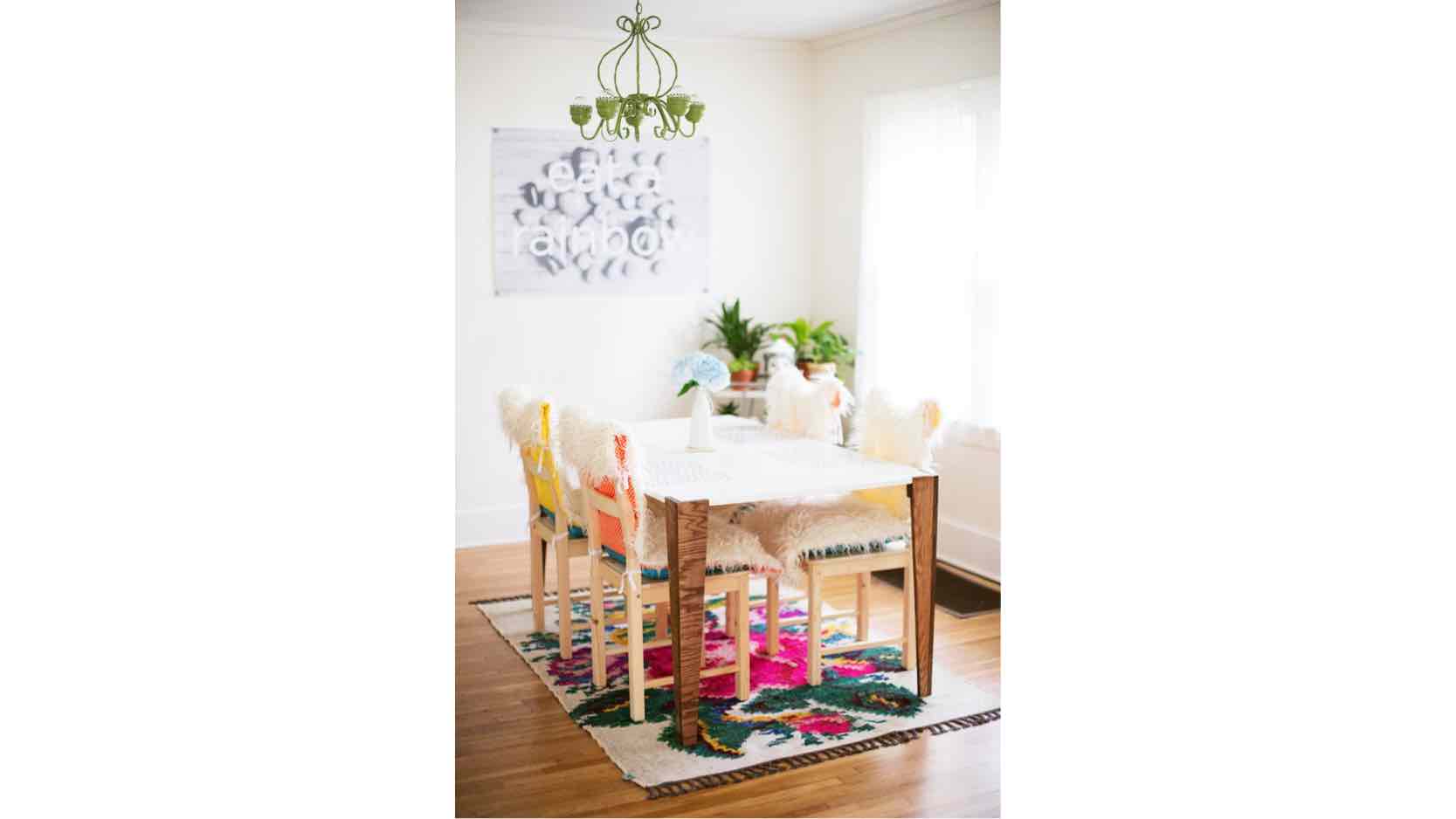 freewoodworkingplan.com ```html
 Introduction: Crafting Your Own Kitchen Table Building your own kitchen table is a rewarding project that allows you to customize size, style, and materials to perfectly fit your needs and aesthetic. This guide provides a step-by-step process to create a sturdy and beautiful kitchen table.
Step 1: Planning and Design Before you start cutting wood, careful planning is crucial. Consider the following: Size: Determine the dimensions of your table based on your space and seating needs. Shape: Choose between a rectangular, square, round, or oval tabletop. Style: Select a design that complements your kitchen decor, such as farmhouse, modern, or rustic. Materials: Choose your lumber type (pine, oak, maple, etc.) and consider the thickness needed for strength and stability. Also, account for screws, glue, and finishing supplies. Blueprint/Sketch: Create a detailed sketch or blueprint outlining dimensions, angles, and construction methods. This will serve as your guide throughout the build.
Step 2: Gathering Materials and Tools Assemble the necessary materials and tools: Lumber for the tabletop and legs (pre-select and inspect for straightness) Screws (appropriate length and type for wood) Wood glue Sandpaper (various grits) Wood stain or paint Polyurethane or varnish (for topcoat) Safety glasses Ear protection Measuring tape Pencil Square Circular saw or table saw Drill with drill bits Sander Clamps Router (optional, for decorative edges)
Step 3: Building the Tabletop The tabletop is the most visible part, so accuracy is important: Cutting the Boards: Cut the lumber for the tabletop to the desired lengths, according to your plan. Joining the Boards: Apply wood glue to the edges of the boards and clamp them together tightly. Ensure the boards are flush. You may need to use biscuits or dowels for added strength, depending on your design. Let the glue dry completely (usually 24 hours). Sanding: Once the glue is dry, sand the tabletop surface smooth, starting with a coarser grit (80-120) and progressing to finer grits (180-220). This will remove any imperfections and prepare the surface for finishing.
Step 4: Constructing the Table Legs The legs provide support, so they must be strong and stable: Cutting the Legs: Cut the lumber for the legs to the desired length, ensuring they are all the same. Attaching the Apron (Optional): An apron is a frame that connects the legs and supports the tabletop. Cut the apron pieces to fit snugly between the legs. Attach the apron to the legs using screws and wood glue. Clamps can help keep things aligned while the glue dries. Attaching Legs to the Tabletop: There are several ways to attach the legs to the tabletop. One method is to use pocket holes drilled into the apron and screws to attach the apron to the underside of the tabletop. Another method is to use metal table leg mounting plates. Ensure the legs are positioned evenly and securely.
Step 5: Finishing the Table The finishing process protects the wood and enhances its beauty: Sanding: Do a final sanding of the entire table (top, legs, and apron) with fine-grit sandpaper (220-320) to create a smooth surface. Staining or Painting: Apply your chosen stain or paint according to the manufacturer's instructions. Allow it to dry completely between coats. Apply multiple coats for desired color and coverage. Sealing: Apply several coats of polyurethane or varnish to protect the finish from scratches, spills, and wear. Sand lightly between coats with very fine-grit sandpaper (400 grit or higher) for a smooth finish. Allow each coat to dry completely.
Conclusion: Enjoy Your Handcrafted Table Congratulations! You've successfully built your own kitchen table. This process may take time and patience, but the end result is a unique and functional piece of furniture that you can enjoy for years to come. Take pride in your creation and enjoy the satisfaction of knowing you built it yourself.
``` Kitchen Table
freewoodworkingplan.com Kitchen Table
 freewoodworkingplan.com
 Kitchen Table Plans • Woodarchivist
 woodarchivist.com


0 komentar:
Posting Komentar