
69+ Woodworking Plans For Child's Rocking Chair

 www.familyhandyman.com
 Introduction: Building a Child's Rocking Chair A Rewarding DIY Project Embarking on a woodworking project like building a child's rocking chair can be incredibly fulfilling. Not only do you create a beautiful and functional piece of furniture, but you also gain valuable woodworking skills. This step-by-step guide will walk you through the process, ensuring a successful and enjoyable building experience.
Materials and Tools Needed: Preparing for the Build Before diving in, gather all the necessary materials and tools. Proper preparation is key to a smooth and efficient build. Wood: Choose a hardwood like maple, oak, or cherry for durability and aesthetics. You'll need enough for the rockers, seat, back, legs, and supports. Check local lumberyards for the best selection and prices. Consider the final dimensions and cut list when purchasing lumber. Fasteners: Wood screws (various lengths), wood glue, and potentially dowels for added strength. Finishing Supplies: Sandpaper (various grits), wood stain or paint (optional), and a clear coat finish for protection. Tools: Safety glasses, dust mask, measuring tape, pencil, saw (circular saw, jigsaw, or handsaw), drill with various drill bits, countersink bit, wood clamps, sander, router (optional for rounding edges), and a workbench.
Step 1: Creating the Rockers The rockers are the foundation of the chair. Careful shaping and accurate cutting are crucial. Start by creating a template for the rockers. You can find numerous rocker templates online or design your own. Trace the template onto your chosen wood. Carefully cut out the rockers using a jigsaw or bandsaw. Take your time and follow the lines closely. Smooth the edges of the rockers using a sander. Pay attention to achieving a consistent curve. Consider using a router with a rounding-over bit to soften the edges for added comfort and safety.
Step 2: Constructing the Seat The seat provides the primary sitting surface. Ensuring a strong and comfortable seat is essential. Cut the seat pieces to the desired dimensions. You can choose a single piece of wood or multiple pieces joined together. If using multiple pieces, glue and clamp them together, ensuring a tight and even seam. Sand the seat surface smooth, paying attention to any imperfections. Consider adding a slight contour to the seat for increased comfort. This can be achieved with a spokeshave or careful sanding.
Step 3: Building the Backrest The backrest provides support and contributes to the overall aesthetic of the chair. Cut the backrest pieces to the desired dimensions and shape. You can create a solid backrest or use multiple slats for a more traditional look. If using slats, evenly space and attach them to horizontal support pieces using glue and screws. Sand the backrest smooth, paying attention to any sharp edges or splinters. Ensure the backrest is angled slightly for optimal comfort.
Step 4: Assembling the Chair Frame Connecting the rockers, seat, and backrest forms the main structure of the chair. Attach the seat to the rockers using glue and screws. Ensure the seat is centered on the rockers. Use clamps to hold the pieces together while the glue dries. Attach the backrest to the seat using glue and screws. Ensure the backrest is securely fastened and properly angled. Add support pieces between the rockers and the seat for added stability. These can be simple rectangular pieces of wood attached with glue and screws.
Step 5: Adding the Legs and Finishing Details The legs provide additional support and complete the chair's overall design. Cut the legs to the desired length and shape. You can choose straight legs or slightly tapered legs. Attach the legs to the seat using glue and screws. Ensure the legs are evenly spaced and securely fastened. Sand all surfaces of the chair smooth, paying attention to any imperfections. Fill any screw holes with wood filler and sand smooth. Consider routing the edges of the chair for a softer, more comfortable feel.
Step 6: Finishing and Protection Protecting the wood and enhancing its appearance is the final step. Apply wood stain or paint to the chair if desired. Follow the manufacturer's instructions for application. Allow the stain or paint to dry completely. Apply several coats of clear coat finish to protect the wood from moisture and wear. Sand lightly between coats for a smooth finish. Allow the finish to dry completely before using the chair.
Conclusion: Enjoying Your Handcrafted Rocking Chair Congratulations on completing your child's rocking chair! You've not only created a beautiful and functional piece of furniture but also gained valuable woodworking skills. This rocking chair will provide years of enjoyment and become a cherished heirloom.
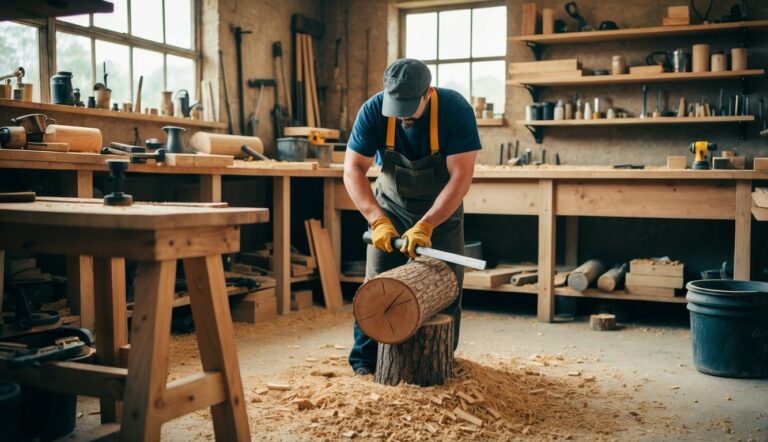
Free Artisan Woodworking Craft Image
 stockcake.com
 History Of Woodworking: From Ancient Craftsmanship To Modern Techniques
 www.communitywoodworkers.com
 Woodworking For Beginners: Everything First-timers Need To Know
www.familyhandyman.com


0 komentar:
Posting Komentar